
I Took a 3-Mile Walking Tour of Salt Lake City in June Heat. Here’s Why You Should Too.
Disclosure: I experienced this tour as a hosted guest of Southwest Adventure Tours during TravelCon 2026. As always, the opinions (and the sweating) are entirely my own.
Here's a confession: I had rarely done a city walking tour before this one. Decades of travel, and somehow I'd mostly filed walking tours under “things other people do while I find a cafe.” Then TravelCon put me in Salt Lake City on a June evening when it was still pushing 95 degrees at 5 PM, and I signed up for a 3-mile Salt Lake City walking tour anyway.
By gosh, it was one of the best things I did all week.
The Salt Lake City Walking Tour at a Glance
The Salt Lake City Walking Tour is run by Southwest Adventure Tours, and it covers a 3-mile loop through downtown in about 2.5 to 3 hours. Ours left at 5 PM from outside the Visit Salt Lake office at 90 South West Temple, right by the Salt Palace Convention Center. An evening start in summer is smarter than it sounds: the light gets golden, the crowds thin out, and you're too busy taking things in to mind the heat. Mostly.
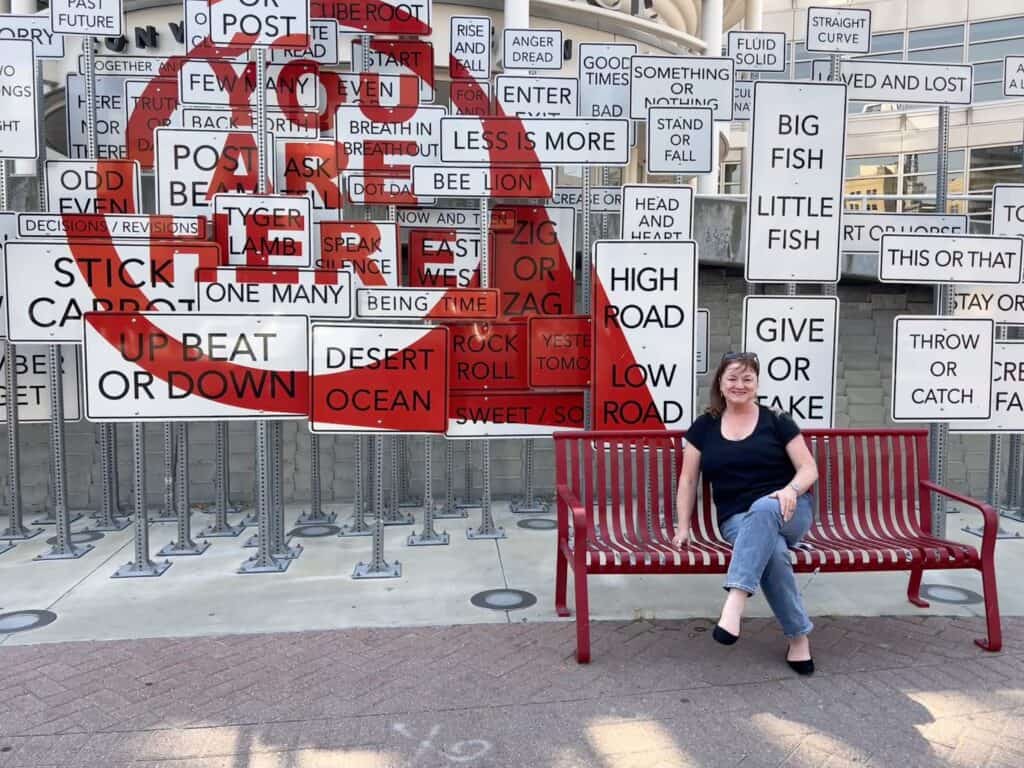
One tip before you even start walking: step inside the Visit Salt Lake office and look at the scale model of downtown. Our guide traced the whole route on it before we set off, and having that map in my head made every stop land better. It's the rare case where the miniature version of a city improves the full-sized one.
A word about our guide, because she made the tour. She was a Salt Lake City native who'd spent the last five years living in Hawaii and had just moved home. You'd think Hawaii would ruin a person for Utah. Apparently not. She talked about her hometown the way most people talk about a place they're trying to convince themselves to love, except she wasn't trying. She just did.
She was also of Native American descent, and she didn't gloss over what settlement meant for the people who were here first. The history between the pioneers and the Native Americans of this valley includes some truly dark chapters, and she told those stories right alongside the founding ones. I can't promise every guide brings that perspective, but I'm glad ours did. A city's story is better told whole.
Abravanel Hall and a 30-Foot Tower of Glass
First stop: Abravanel Hall, home of the Utah Symphony. By 5 PM the building was closed, but we did peek inside the lobby and hear some “fun facts” about the building.
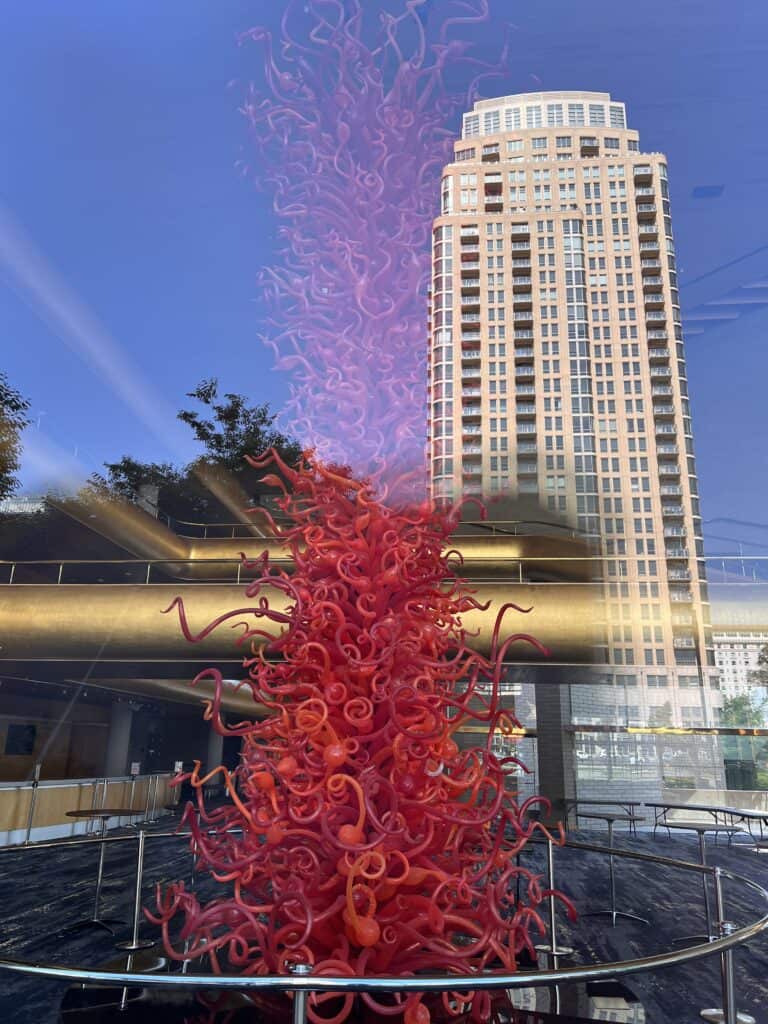
Two things stuck with me here. First, through the lobby glass you can see the Olympic Tower, a 30-foot red blown-glass sculpture by Dale Chihuly, brought here for the 2002 Winter Olympics. Chihuly sold it to the city at a discount on the condition that the public could always see it without buying a concert ticket, which is why it sits in a four-story glass lobby instead of a vault. (If you ever find yourself in Seattle, his museum next to the Space Needle is full of this beautiful and strange work. Go.)
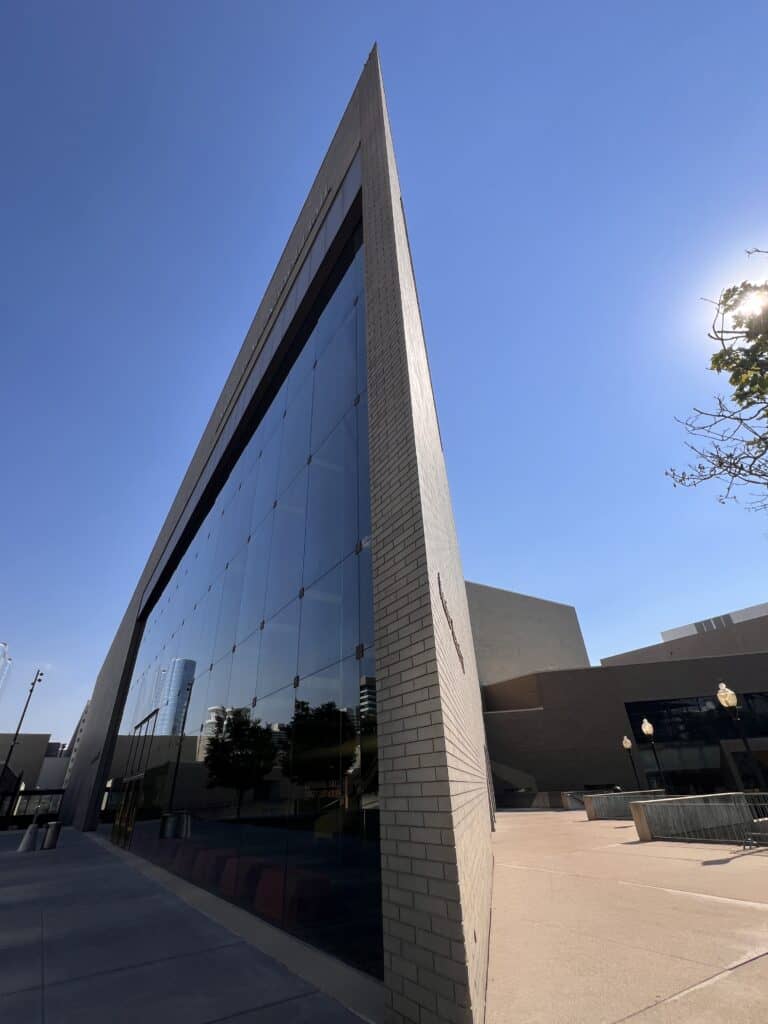
Second, our guide pointed out that the building itself is an odd, angular shape, and explained that concert halls are often built that way on purpose to maximize the acoustics. I have walked past oddly shaped symphony halls my whole life without once asking why. Now I know. My future self will be insufferable at architecture trivia nights.
A Mansion, a Train Station, and the Best Room in Salt Lake City
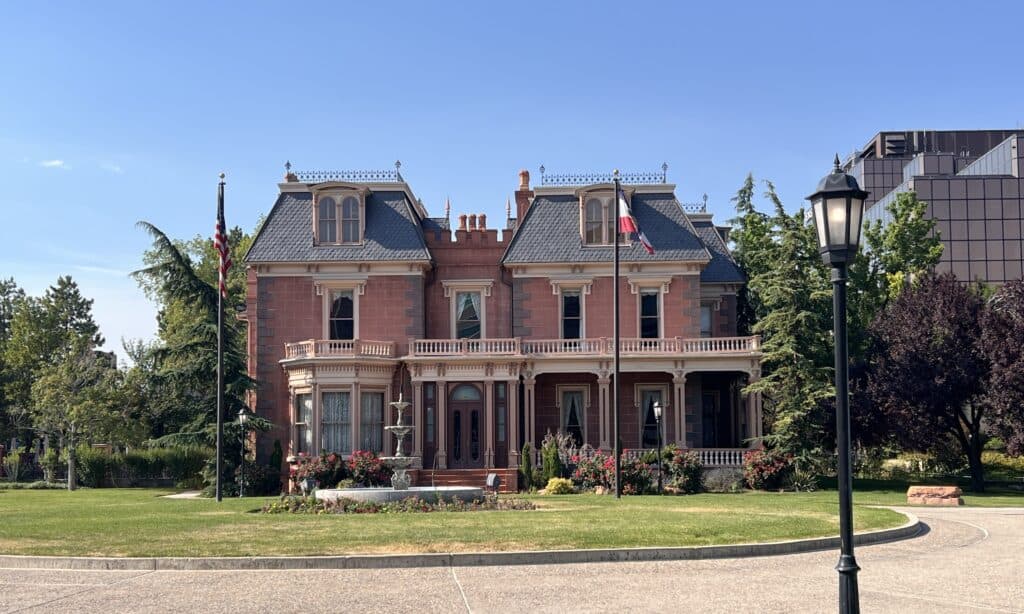
A few blocks on, we passed the Devereaux Mansion, sitting on its lawn like it wandered out of a Victorian novel and decided to stay. It was Salt Lake City's first mansion, built in 1857, just a decade after the pioneers arrived, and it hosted the frontier city's fanciest gatherings. These days it's used for receptions and events, so unless you get yourself invited to something, you're admiring it from the outside. My invitation must have gotten lost in the mail.
“Fun” Fact: Devereaux House appeared in Dumb and Dumber as the Snow Owl Benefit mansion. Which somehow makes it both a historic landmark and part of cinematic history.
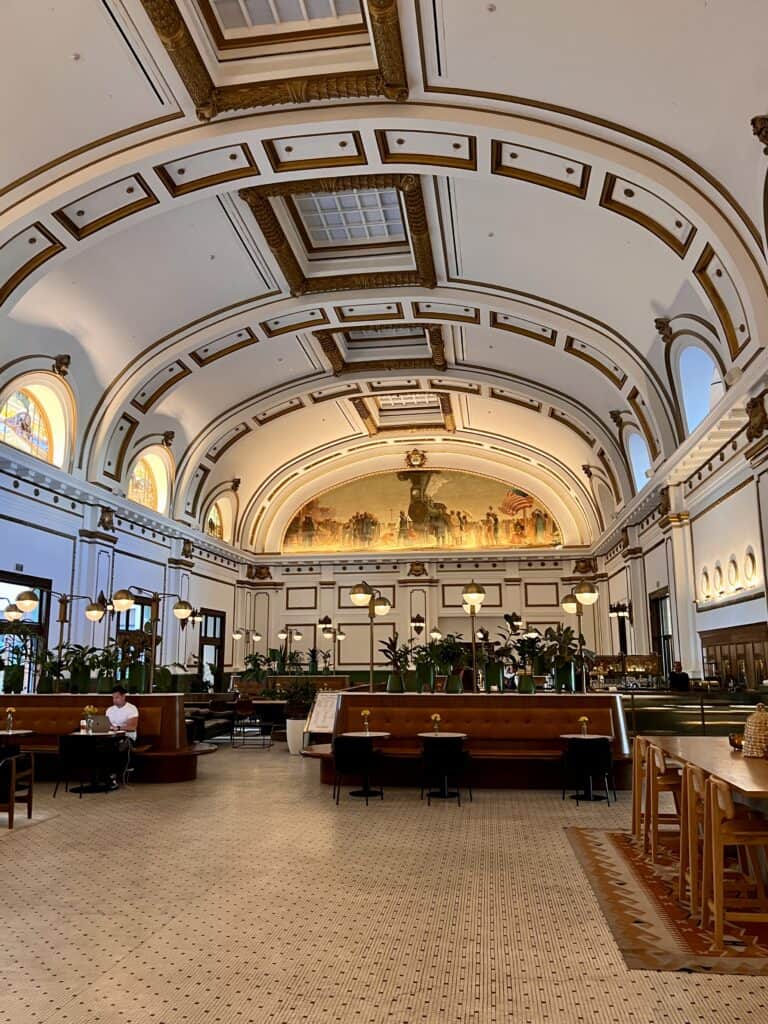
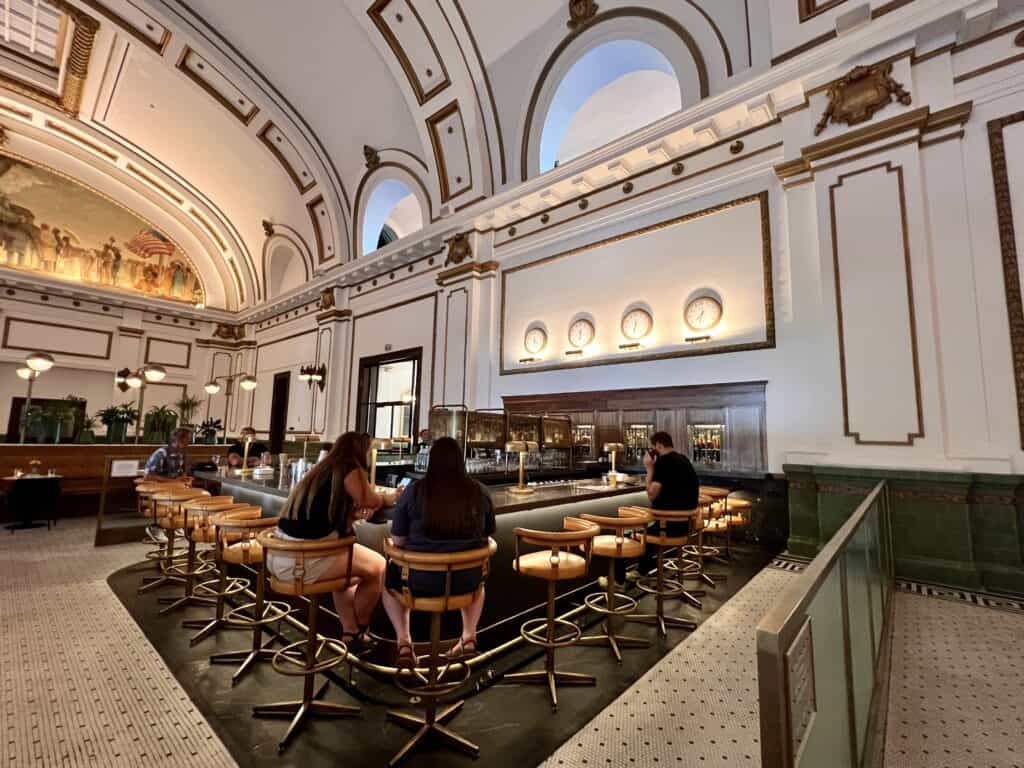
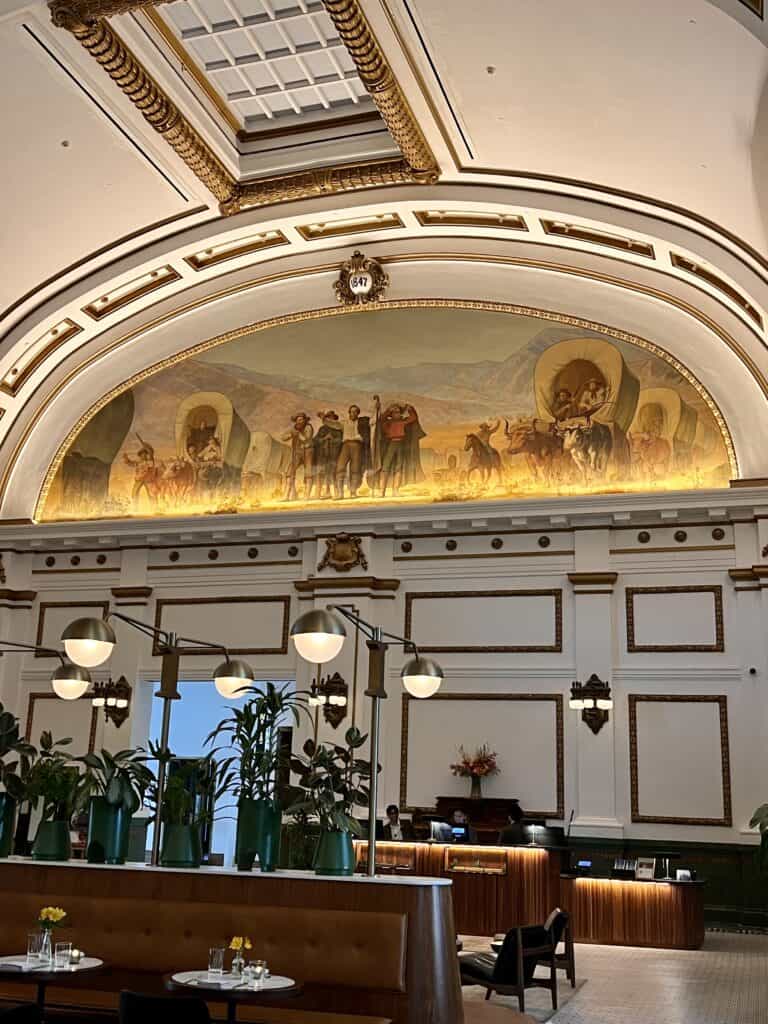
Directly across the street is the stop that stole the show for me: the old Union Pacific Depot. The depot opened in 1909 and served train passengers until 1986, then spent decades looking for a second act. It found a good one. In 2024 it reopened as the Asher Adams hotel, with the original station hall serving as the restaurant and bar.
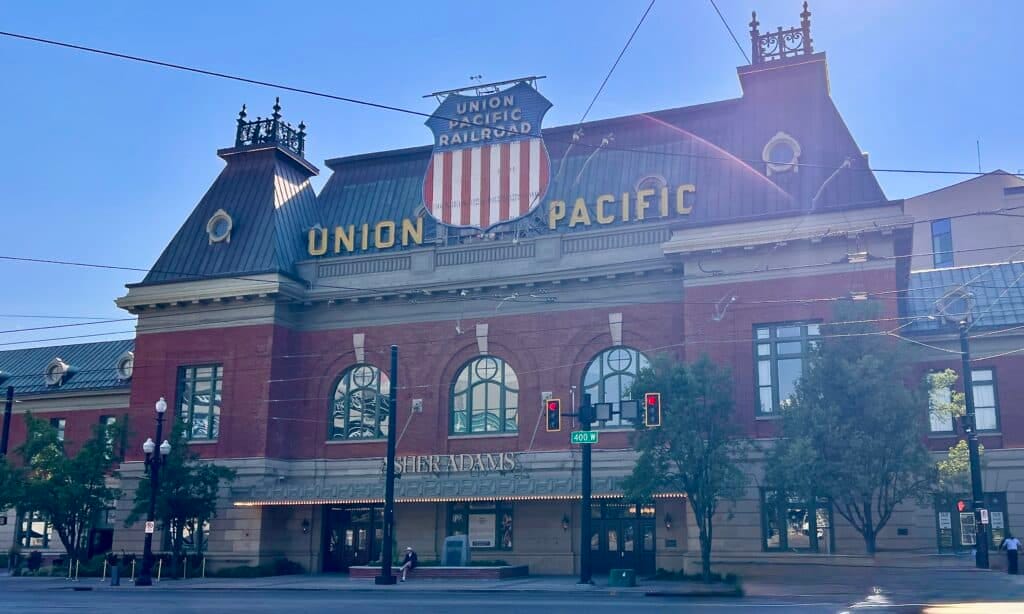
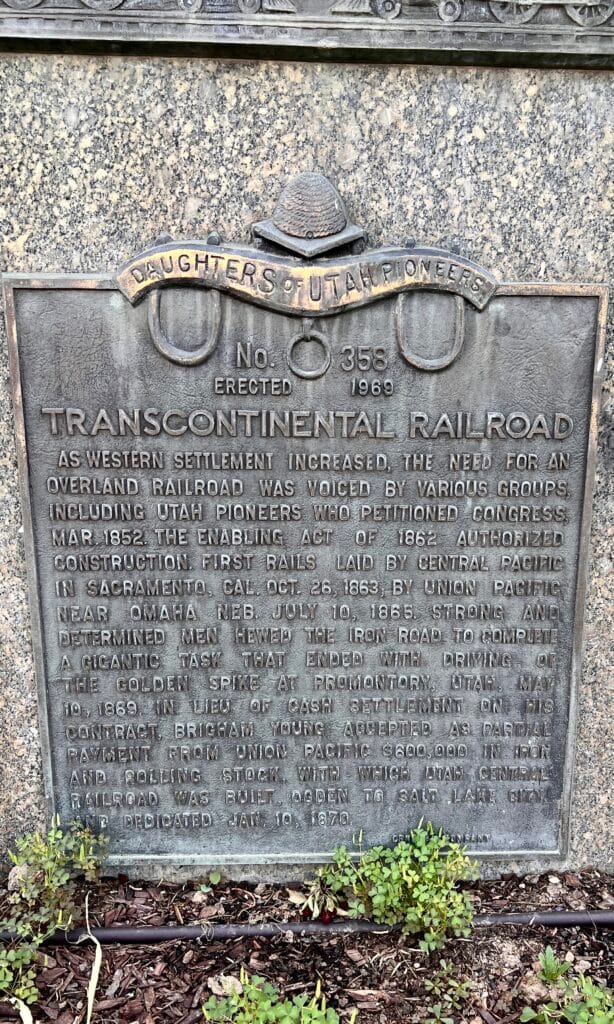
The best part is they kept the bones. The vaulted ceiling, the pioneer murals arching over the room, the gilded trim, all original. The furniture is new but done in a 1930s style, so the whole room reads like a train station where you'd genuinely want to miss your train. I walked in expecting a hotel lobby and walked out planning a return trip for a cocktail under those murals (and I did).
The Gateway: Rockets, Fountains, and a Street That Doesn't Know It's a Mall
The back of the depot opens straight into The Gateway, an open-air shopping district built for the 2002 Olympics. The courtyard behind the station has fountains at its center, ringed by restaurants, and then you turn left onto a street with hanging flower baskets on the lampposts that feels like a movie set of what a charming main street should be.
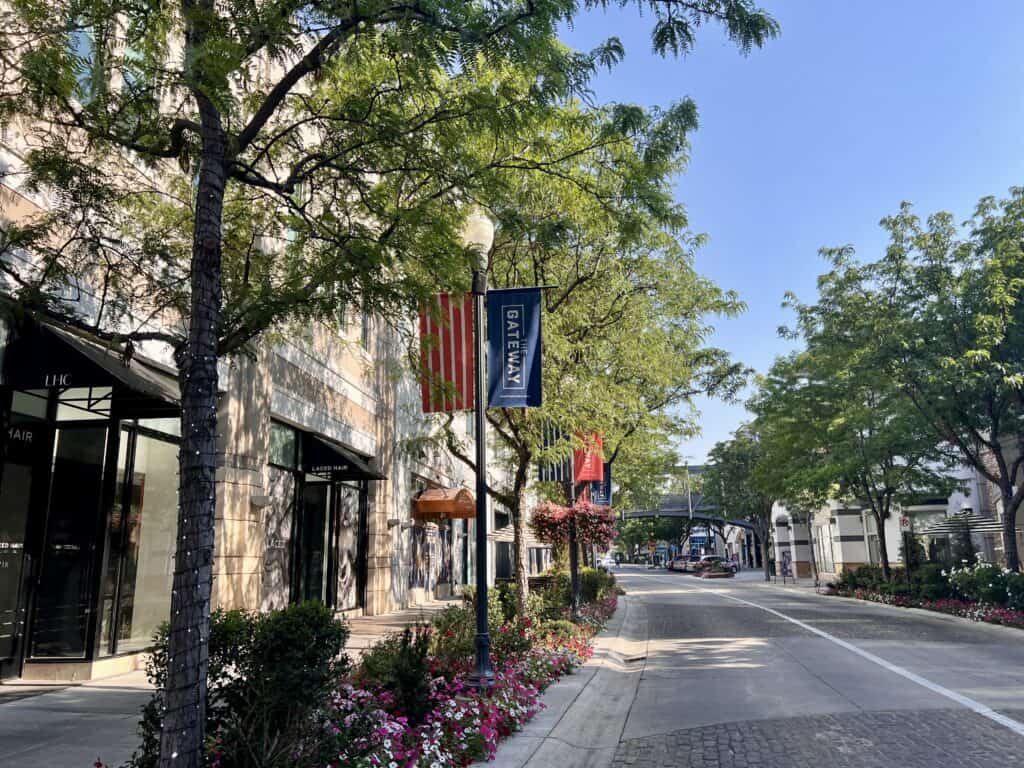
Our guide was honest about this part: The Gateway used to be the shopping destination downtown, until City Creek Center opened in 2012 and took a good chunk of its shine. It's quieter now. I found I liked it quieter. Fewer people, same flowers. Plus the cool feeling that you are on a movie set.
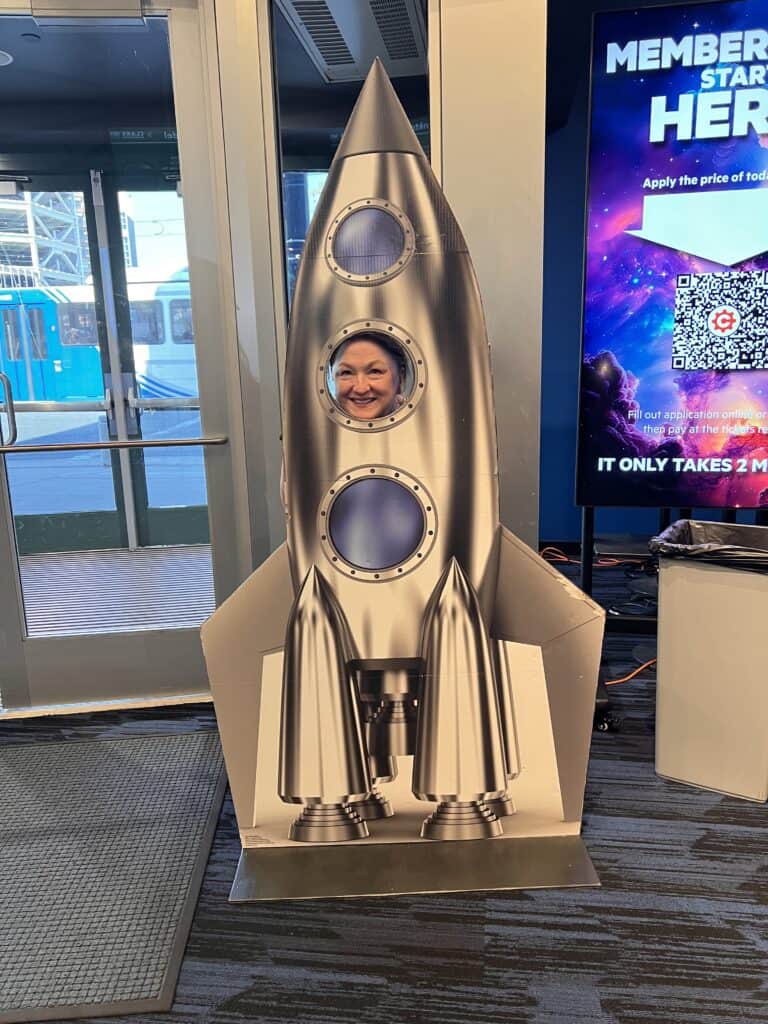
This stretch is also where the Clark Planetarium sits, and yes, there is a rocket photo cutout in the lobby, and yes, I put my face in it. I'm a professional.
Caputo's: The Stop I Came Back For
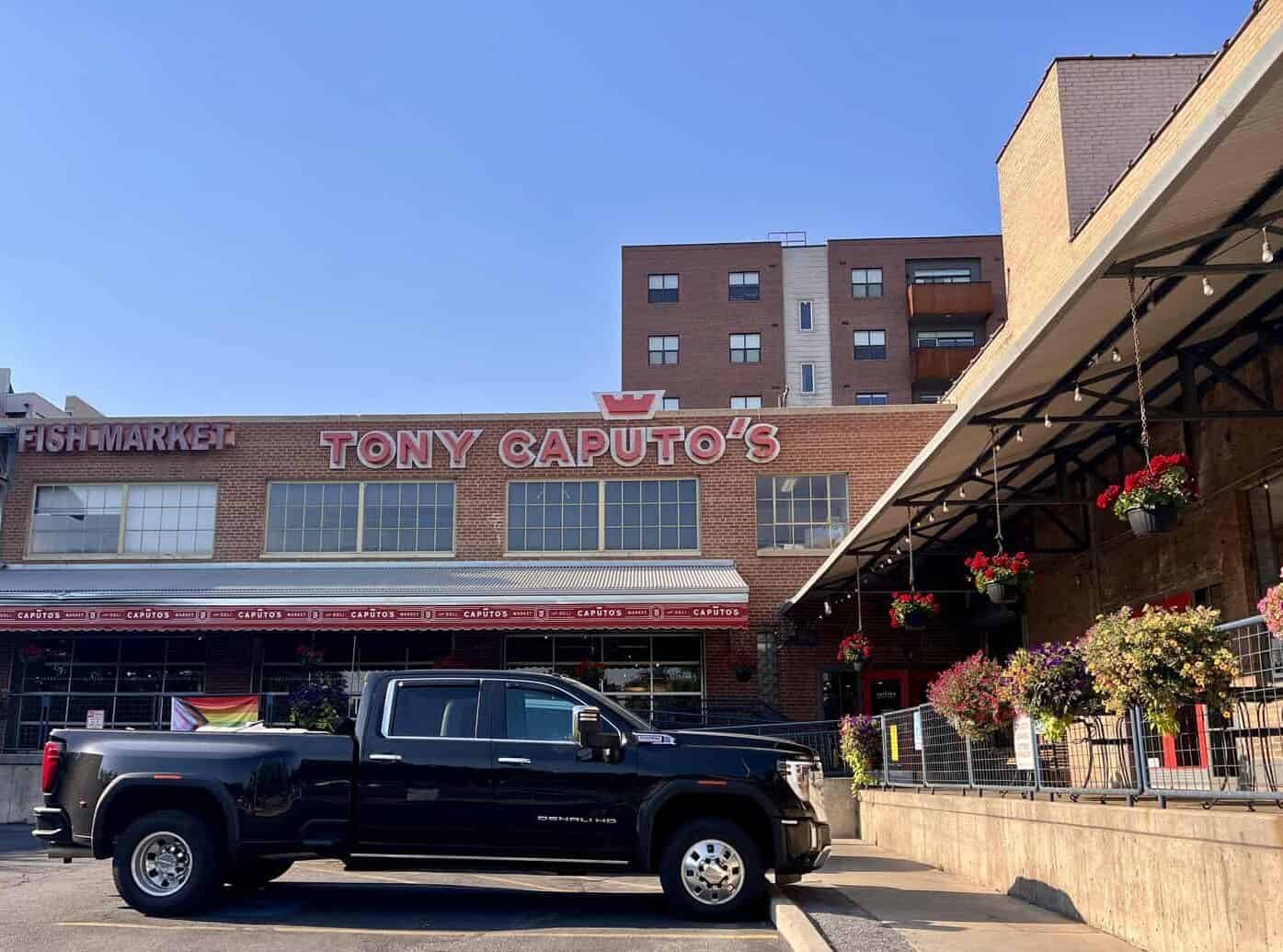
Near Pioneer Park, we hit Caputo's Market & Deli, and I'm going to tell you now: this is the stop you build your return trip around. Tony Caputo opened this Italian market in 1997 in an old Firestone tire building and more or less kick-started Salt Lake City's artisan food scene from behind a deli counter.
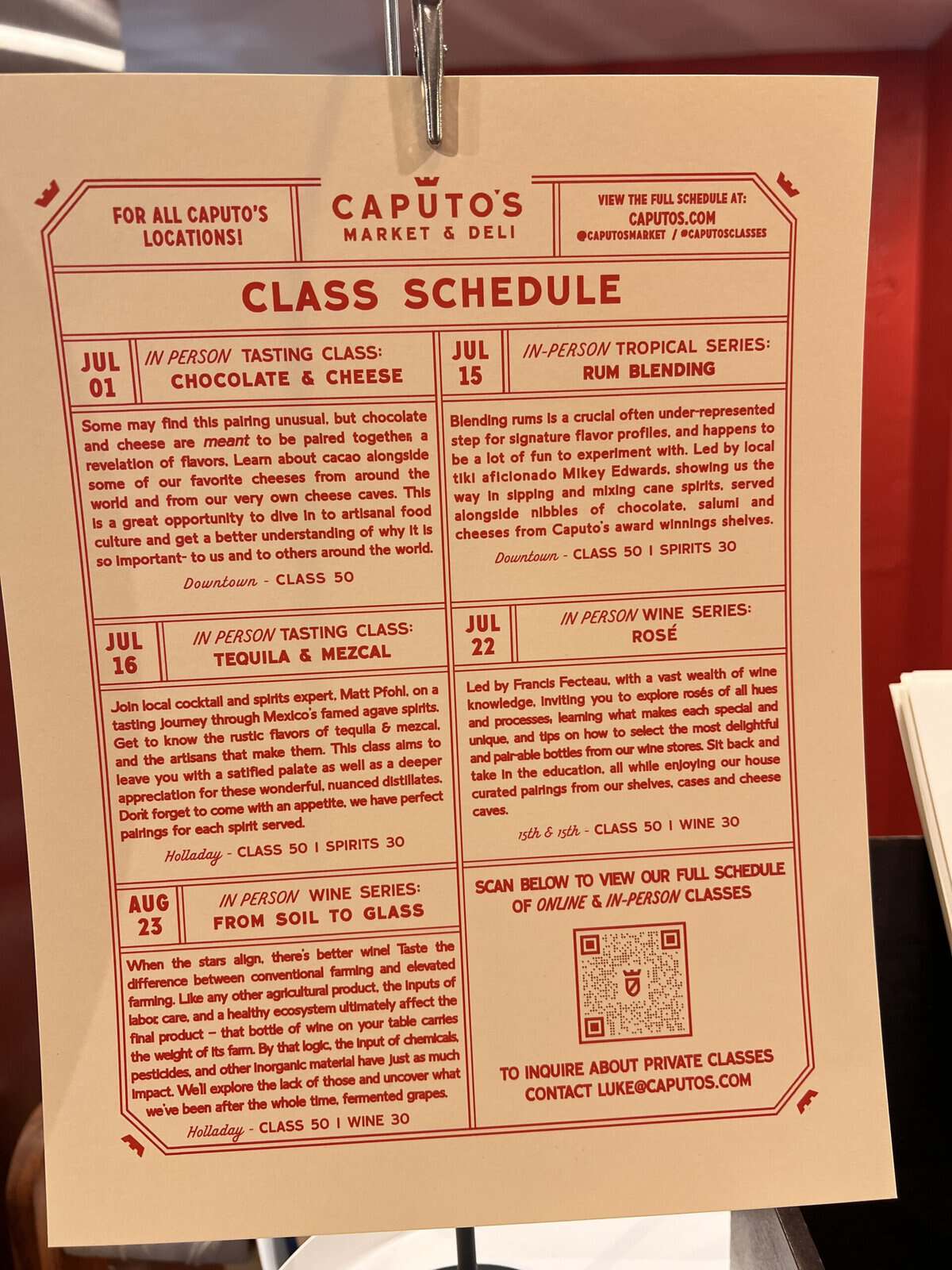
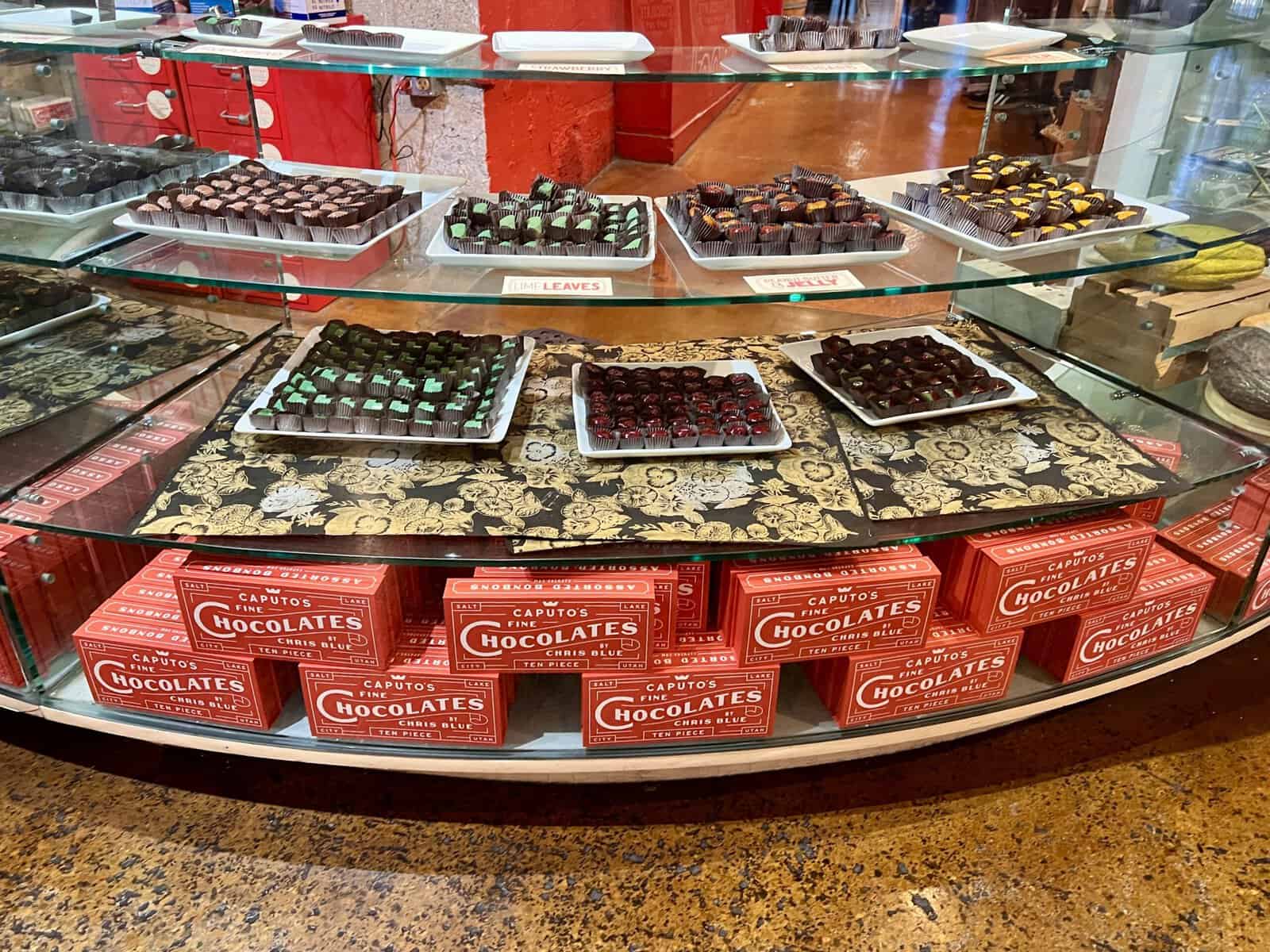
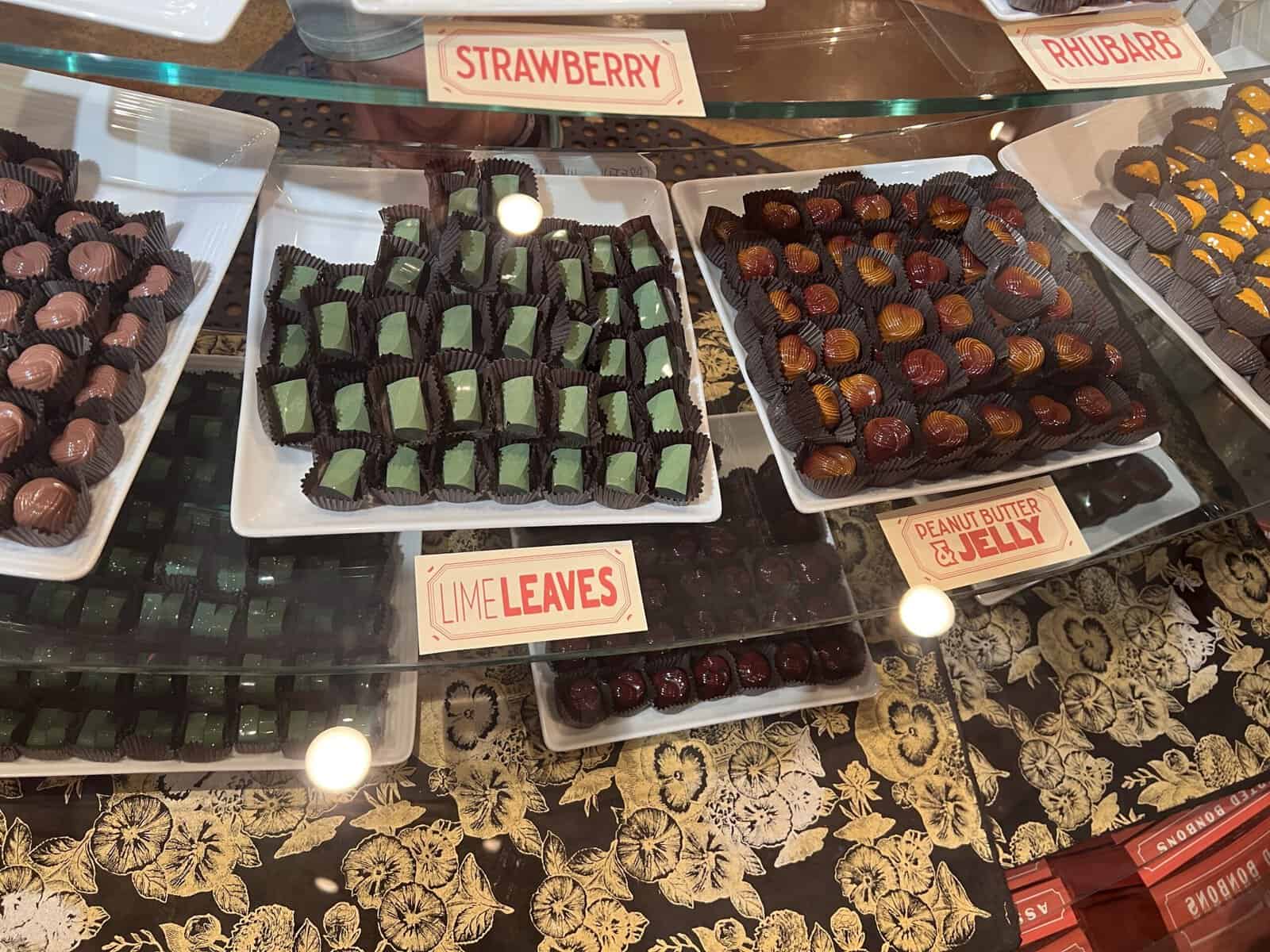
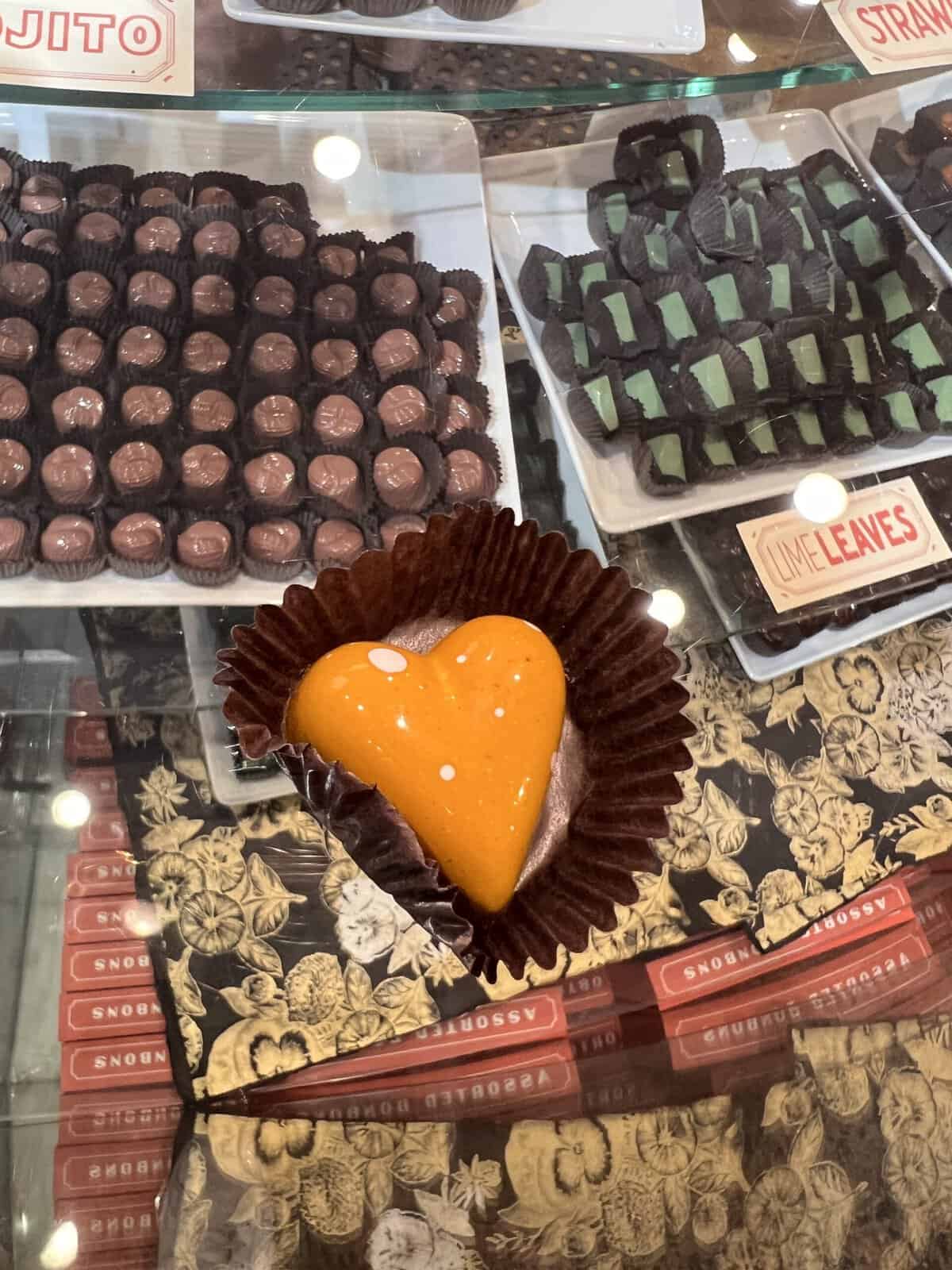
Inside there's a chocolate case with house-made bonbons in flavors like rhubarb, lime leaves, and peanut butter and jelly, a wall of imported goods, and, casually in the back, a cheese cave. An actual cave for aging cheese. Somewhere, Wisconsin is nodding respectfully. Only a handful of retail shops in the entire country have one. They also run tasting classes on chocolate, cheese, and rum. Finally, continuing education that speaks to me.
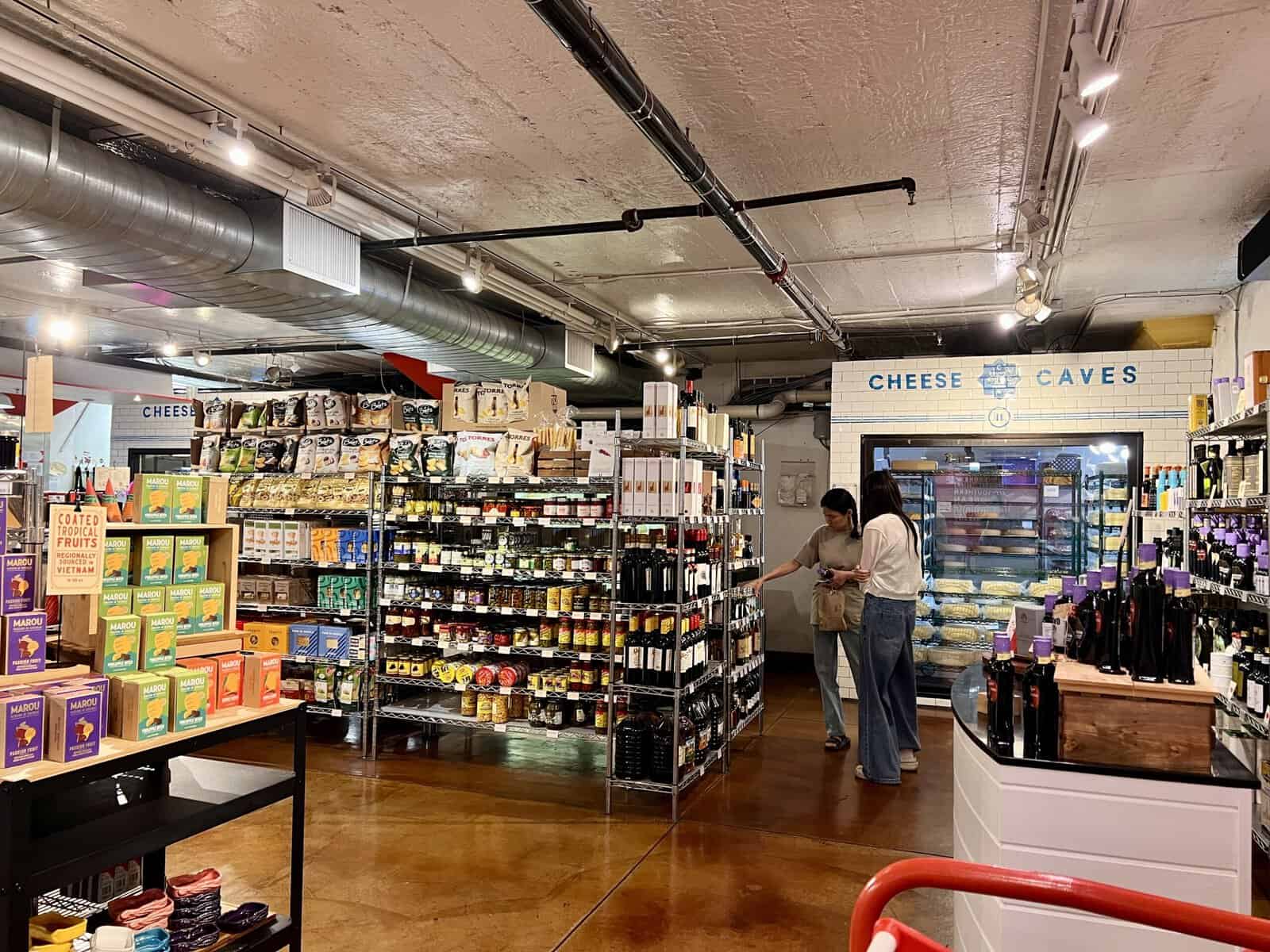
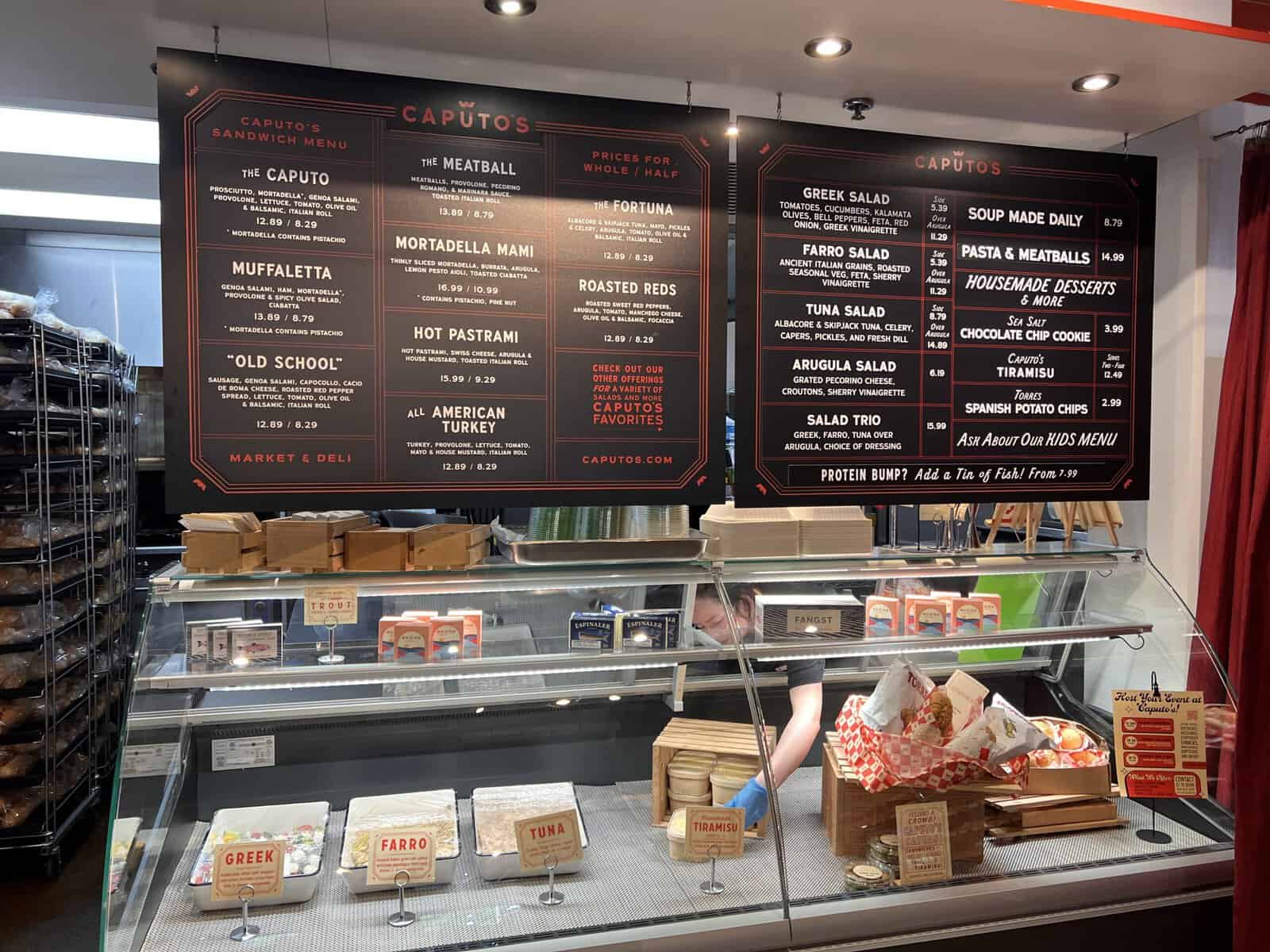
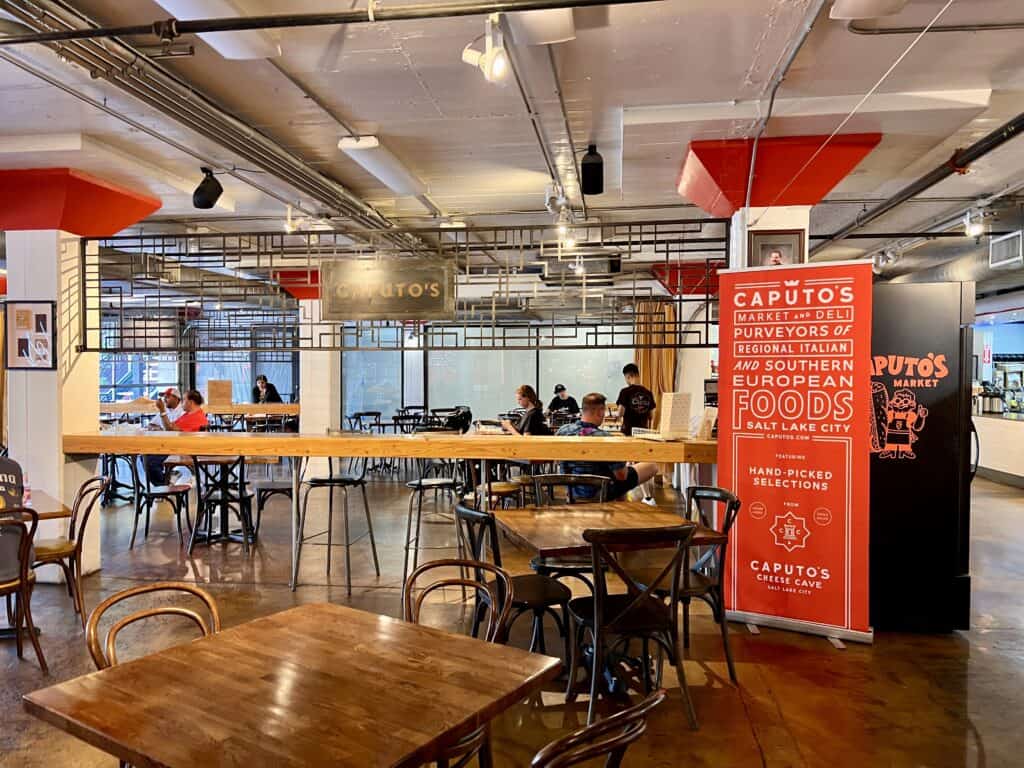
I liked it so much I came back a few days later, ordered the turkey sandwich, and spent a couple of hours working on my laptop at their big communal tables. The sandwich was very good. The people-watching was better.
The Pony Express
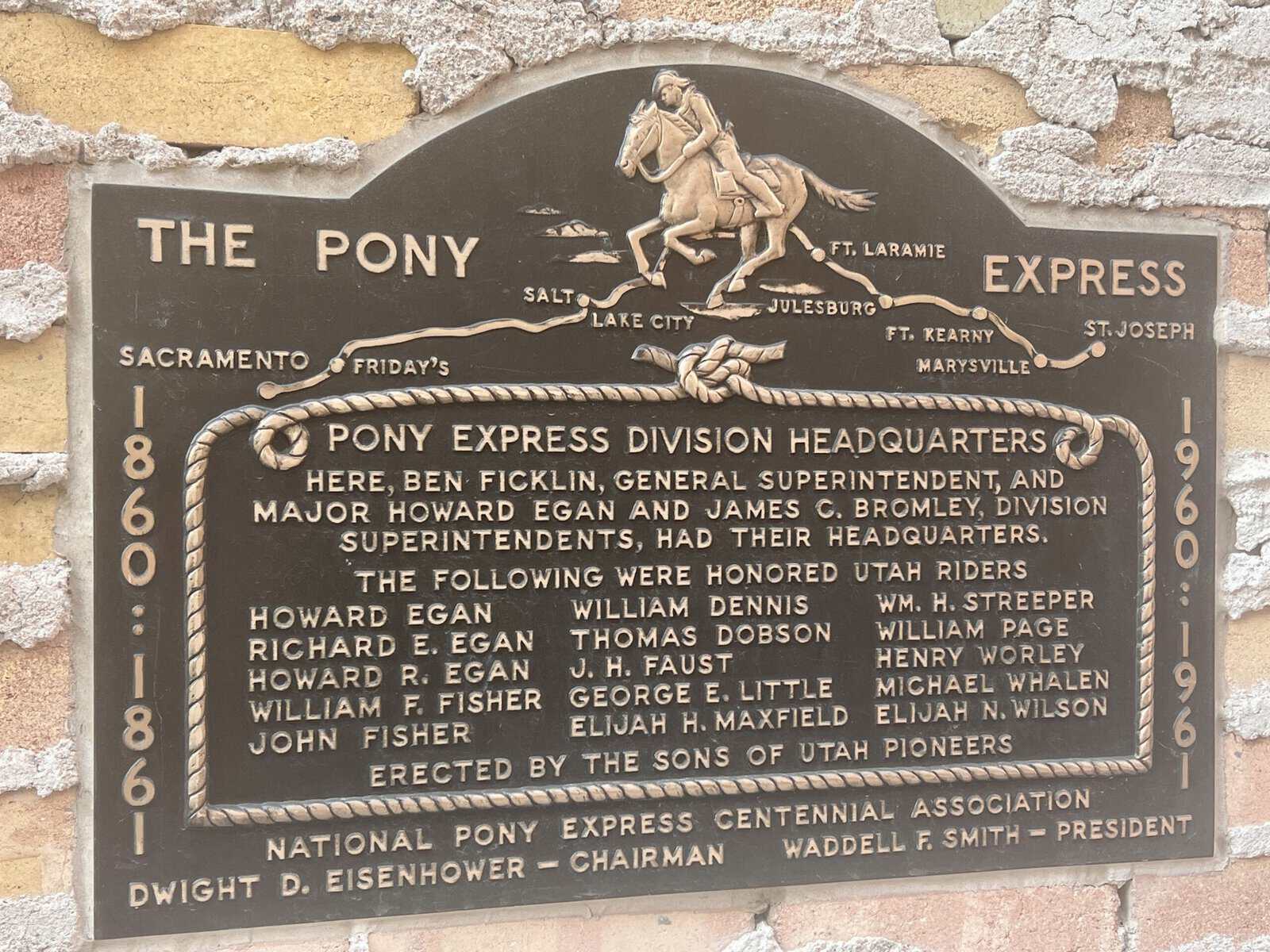
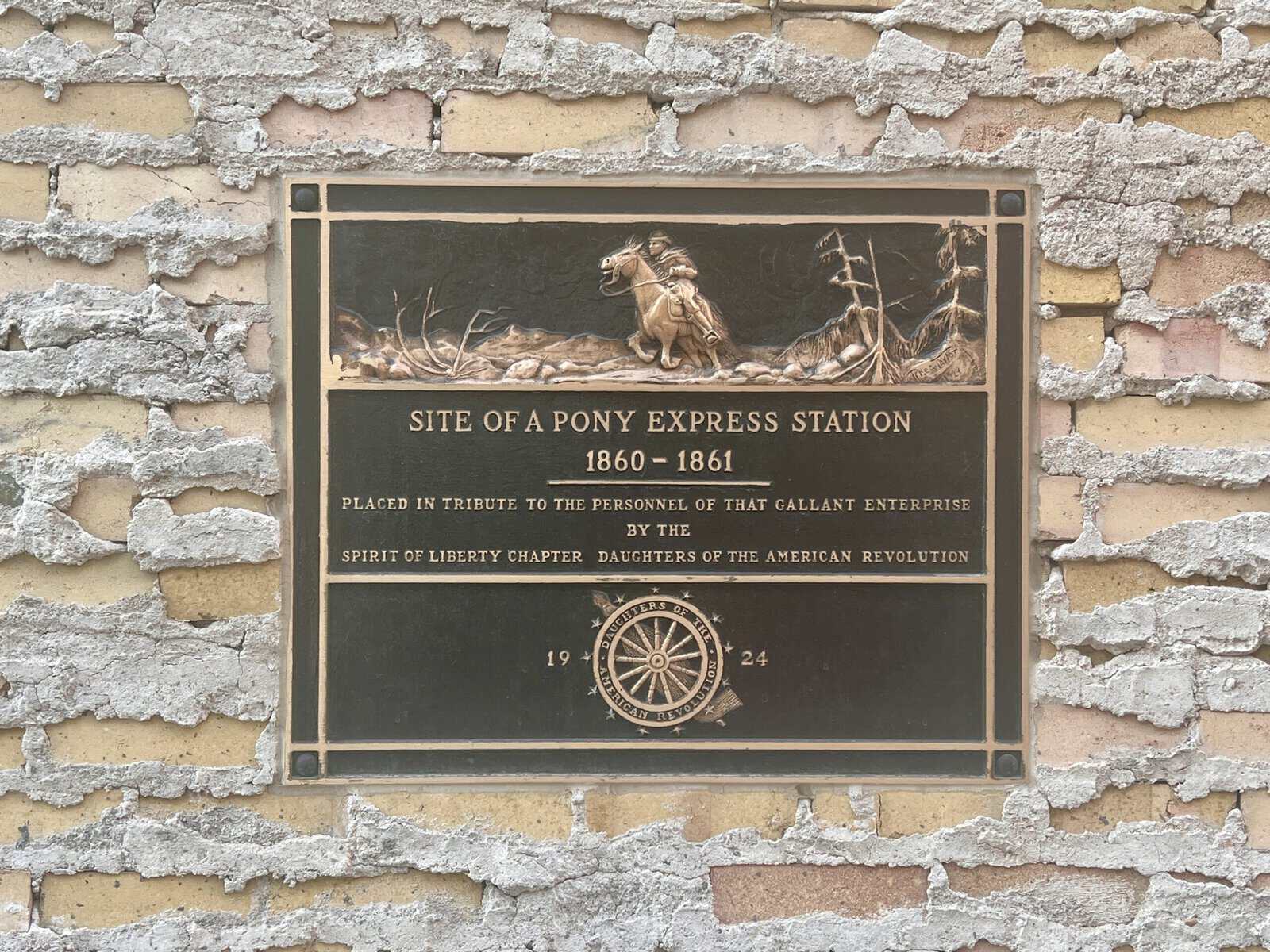
Along the route, keep an eye out for the bronze plaques marking the Pony Express division headquarters, where riders were based during the mail run's brief, legendary 18 months in 1860 and 1861. I've had leftovers in my freezer with a longer lifespan. Somehow it's still famous 165 years later. There's hope for us all.
City Creek Center: A Creek Runs Through It
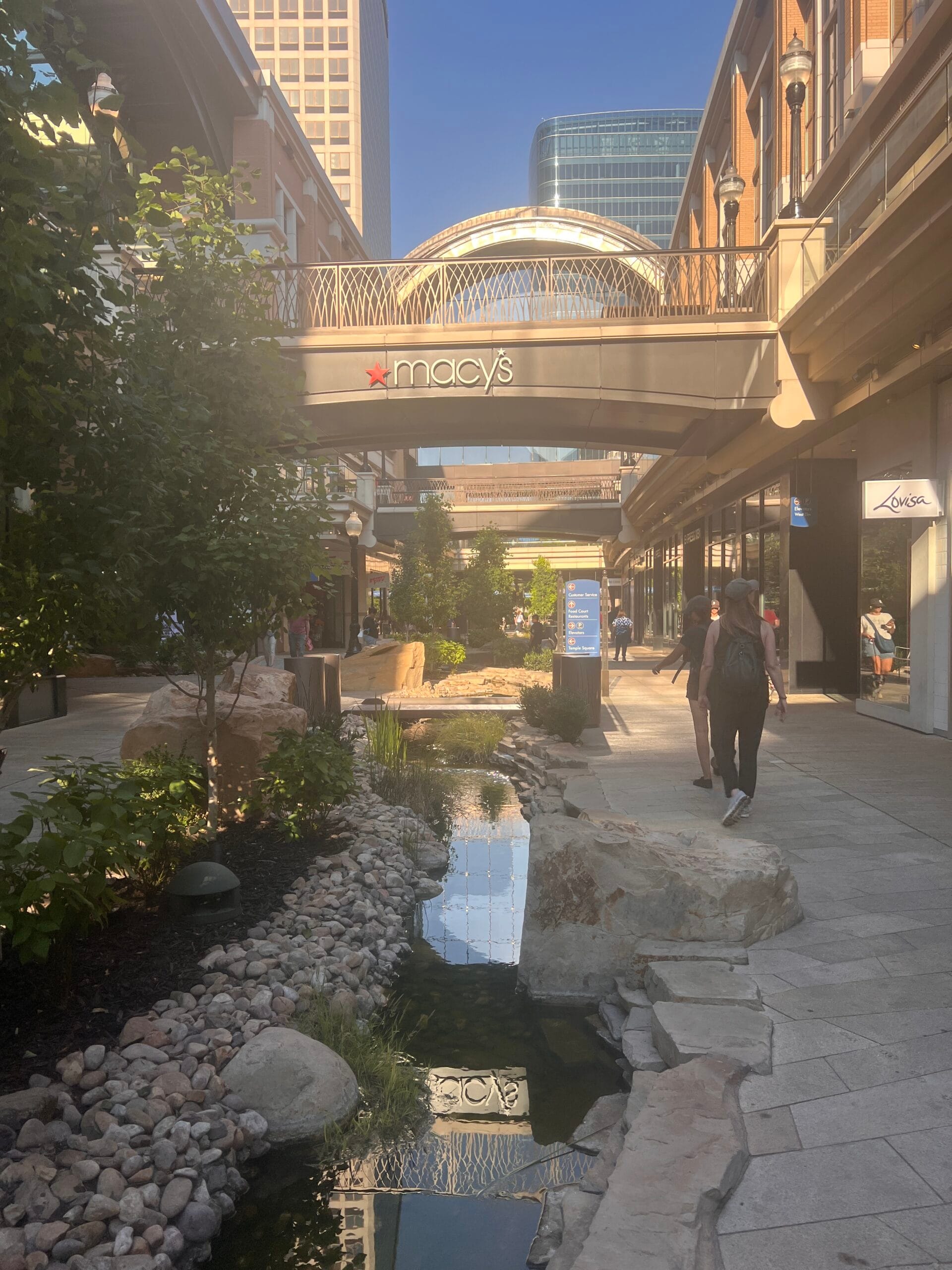
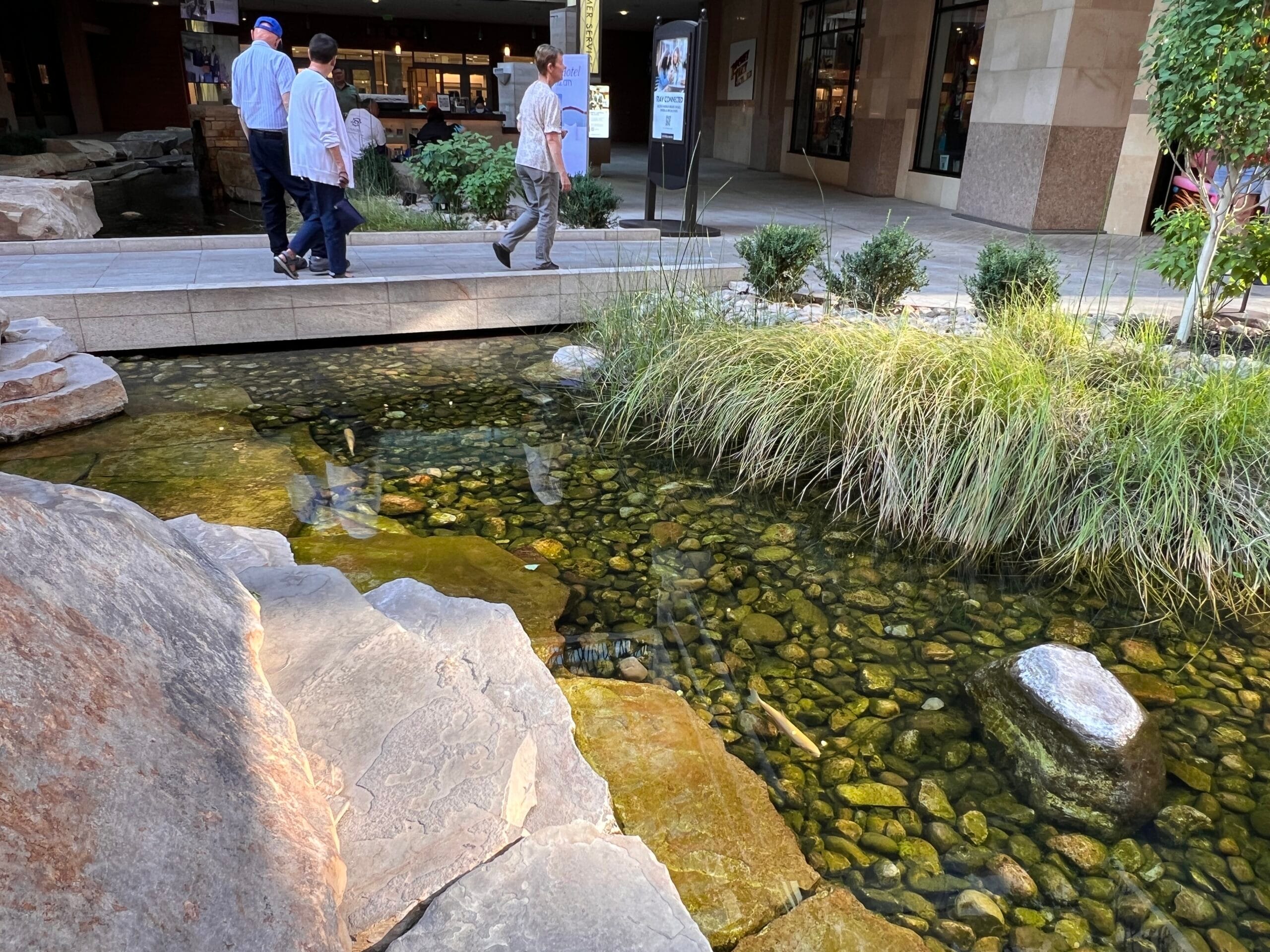
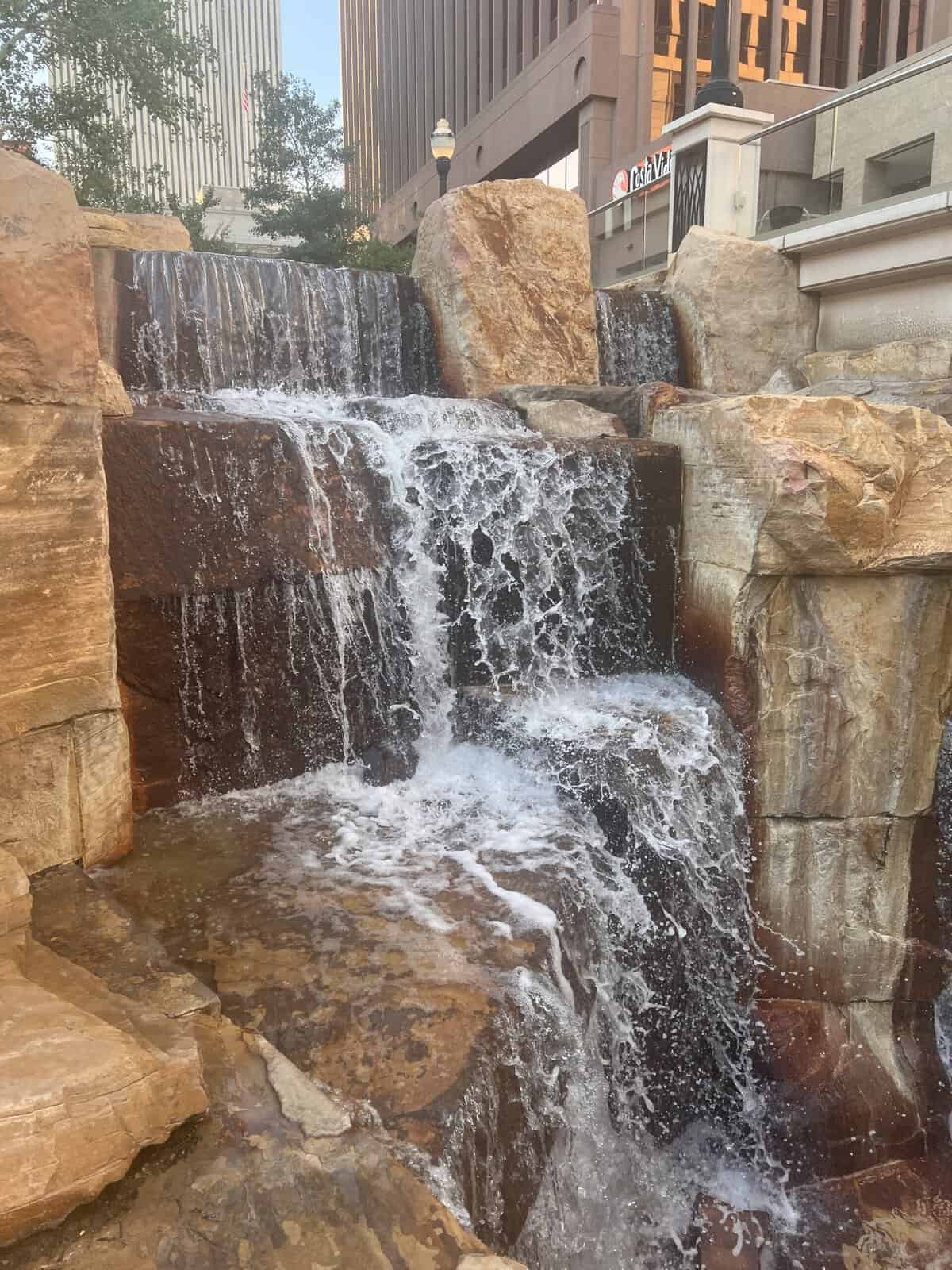
Next up was City Creek Center, the shopping development that dethroned The Gateway. Credit where due: they put an actual creek through the middle of it, with boulders, waterfalls, and pebbled streambeds running past the storefronts, plus a glass skybridge arching overhead by Macy's. There are live fish swimming in it. I'm not usually a mall person, but a mall with its own trout stream makes a persuasive argument.
Temple Square: History, Organs, and Very Wholesome Young People
The loop finished at Temple Square, which is the heart of the city in every sense: the streets are literally numbered outward from it. The Salt Lake Temple has been under renovation for several years (it's due to wrap up in late 2026), so it's wearing less scaffolding than it used to but isn't open yet.
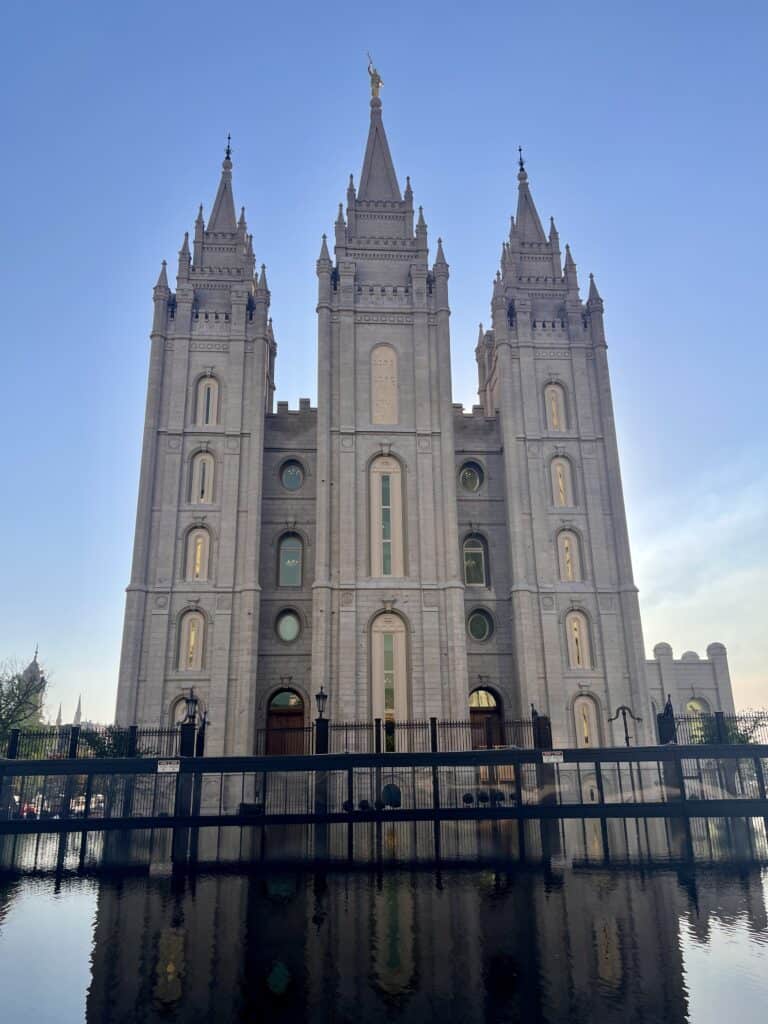
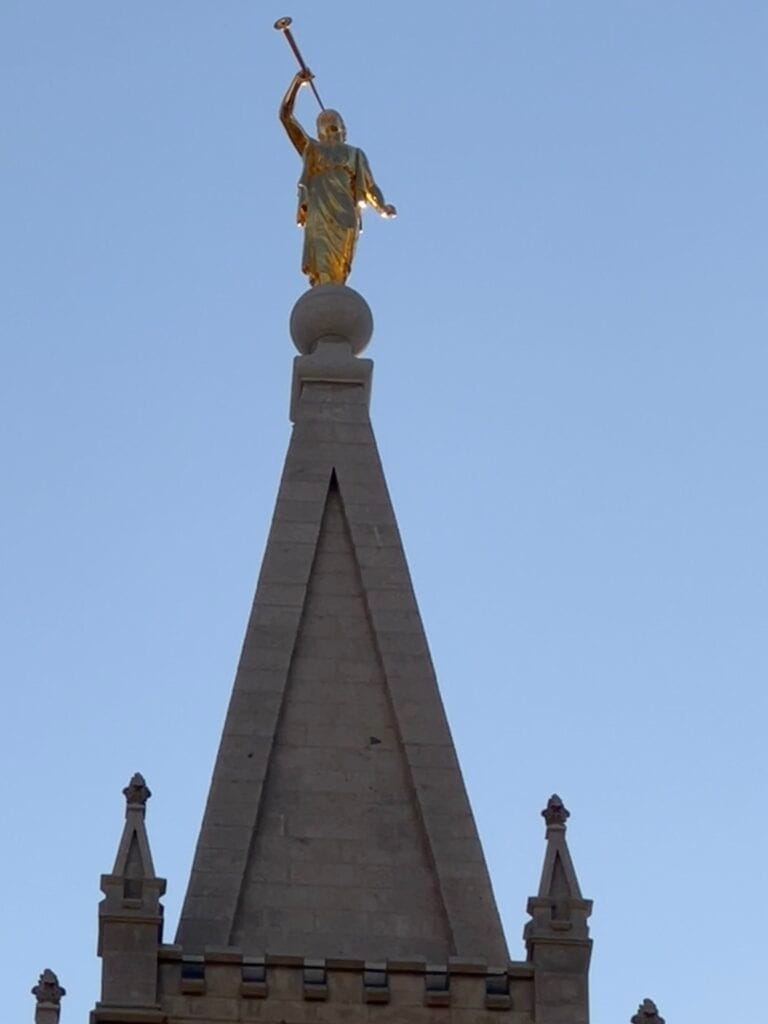
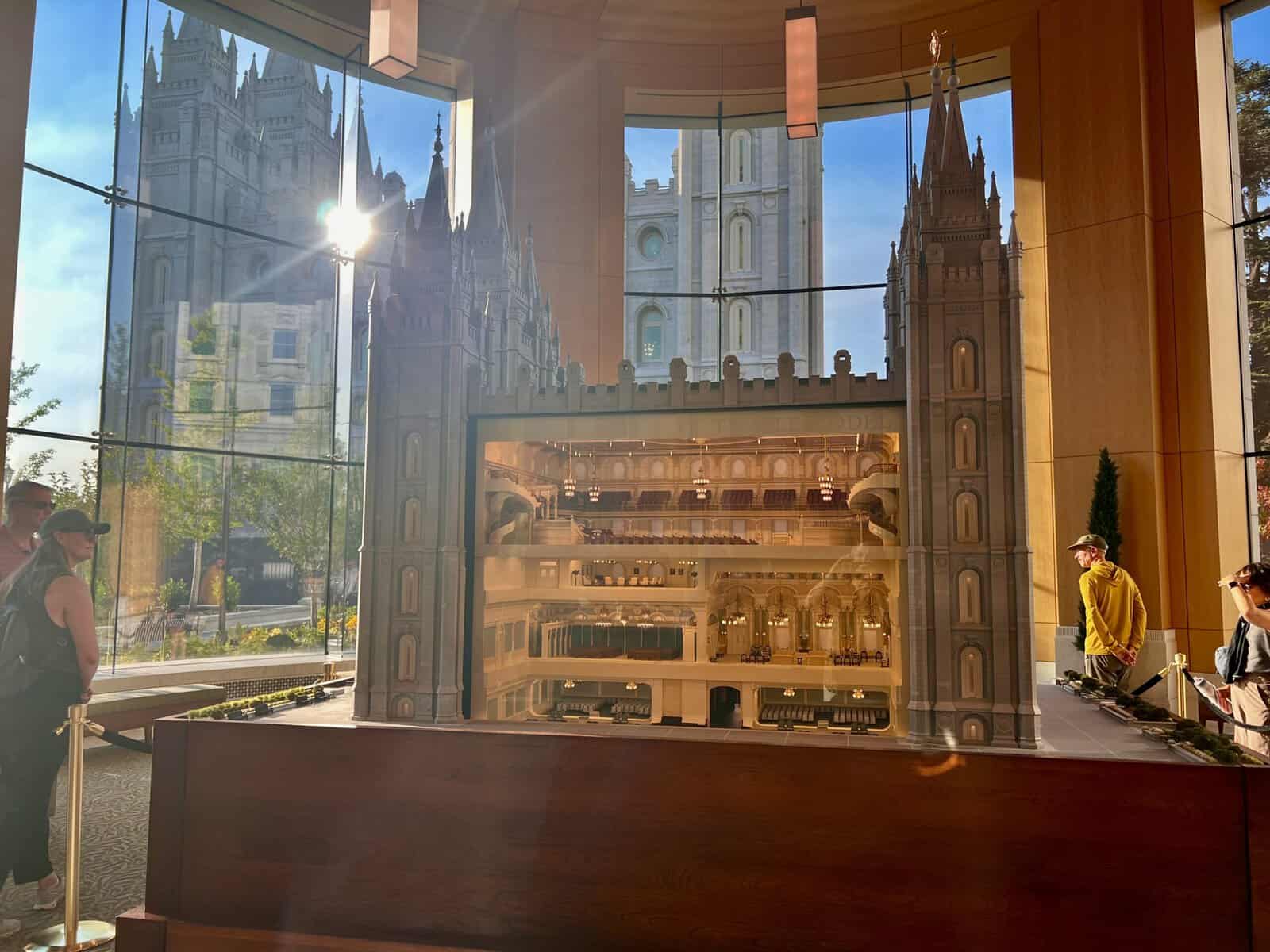
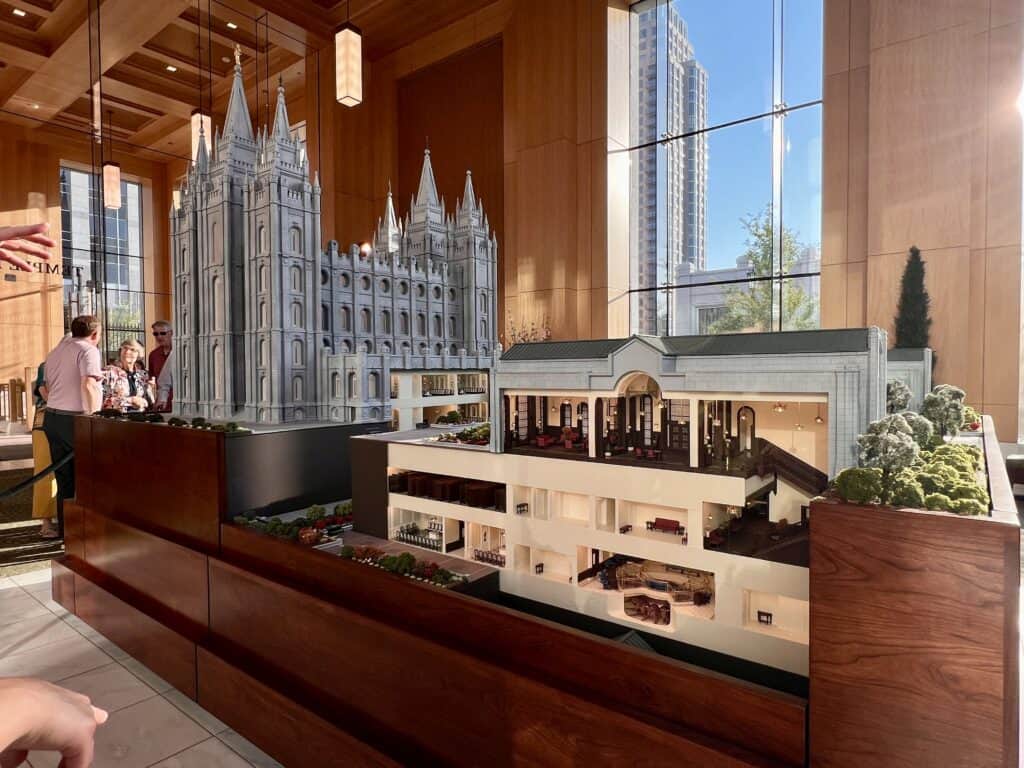
Non-members of the church can't go inside the temple even when it is open, which is where the brand-new Temple Square Visitors' Center earns its keep. It had opened just a month before my visit, and it holds a remarkable cutaway scale model of the temple with motorized walls that lower to reveal every floor and room of a building you'll otherwise only see from the plaza. Honestly, you might get the better view.
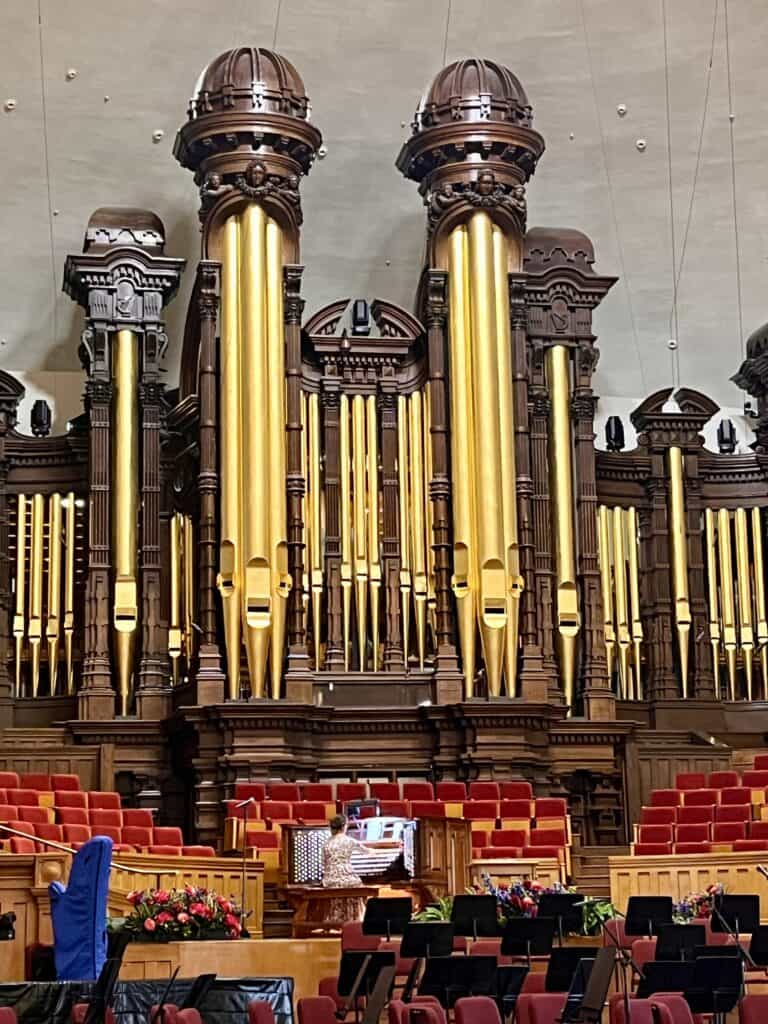
The Tabernacle, though, was open, and we walked in while an organist was practicing on the famous organ, all 11,623 pipes of it, framed by those gleaming gold columns. I looked up and was surprised to see a massive rig of broadcast lighting hanging from that historic domed ceiling, and then it clicked: this is where they televise Music & the Spoken Word, the longest continuously running network broadcast in the world, on the air since 1929. The ceiling is doing double duty as a TV studio. Somehow it still feels sacred.
I'm not a member of the LDS church, and I found this whole section of the tour fascinating rather than uncomfortable. The history of the pioneers who built all this in the middle of a desert is genuinely gripping, and the young people working Temple Square, greeting visitors and answering questions, are so sincerely wholesome that I briefly considered drinking more milk.
This is also where our guide brought up the beehive, the symbol you will start seeing everywhere in Salt Lake City once you know to look: on the state flag, on door handles, on lampposts. It's meant to represent everyone working together in harmony. Then she pointed out, completely deadpan, that a famously patriarchal pioneer society chose as its emblem a structure in which everyone exists to serve the queen. I smirked at every beehive I passed for the rest of the trip. There are a lot of beehives.

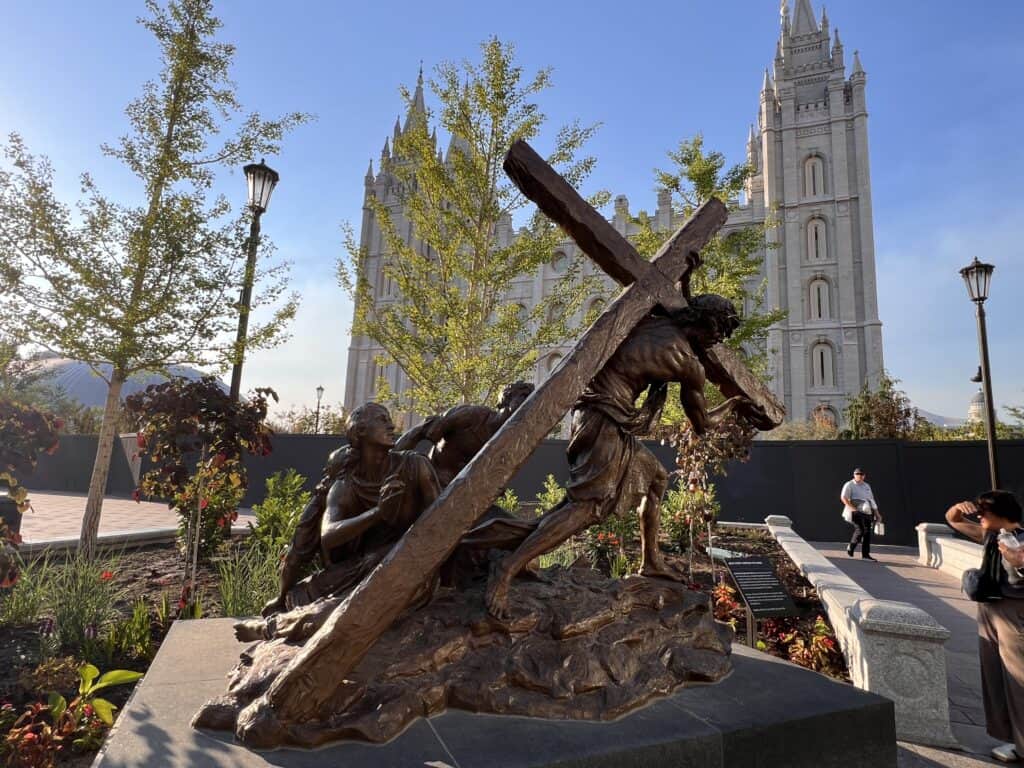
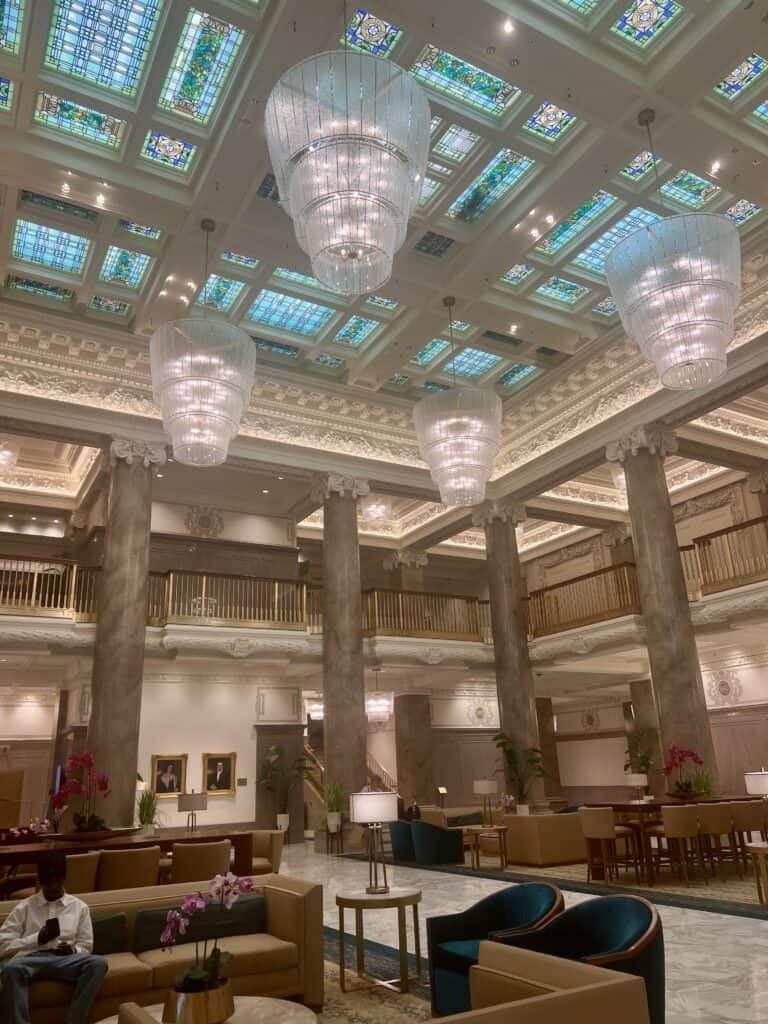
Two more quick hits nearby: the bronze sculpture of Christ carrying the cross in the temple gardens, and the lobby of the Joseph Smith Memorial Building, where you should walk in, look up, and let the stained-glass ceiling and chandeliers do their thing.
From there it was a short walk back to where we started, two and a half hours and three miles after we set off, right around 7:30 PM as the heat finally broke.
Should You Do This Tour?
The short answer is yes. The longer answer: this tour is ideal for a first evening in Salt Lake City, because it hands you a mental map of downtown plus a list of places you'll want to return to. That's exactly what happened to me with Caputo's and the Asher Adams. It's an easy, flat 3 miles, the evening timing beats the summer heat, and a guide who loves her hometown beats a guidebook every time.
And if you've been filing walking tours under “things other people do,” the way I did for years, consider this your nudge. You get your steps in, you learn the city, and you find out why the symphony hall is shaped funny. That's a good evening.
If You Go
- Tour: Salt Lake City Walking Tour, Southwest Adventure Tours (southwestadventuretours.com)
- Duration: 2.5 to 3 hours, approximately 3 miles, flat and paved
- Meeting point: Outside the Visit Salt Lake office, 90 South West Temple, Salt Lake City (next to the Salt Palace Convention Center)
- What to bring: Water, sunscreen, comfortable shoes. Evening summer departures are still hot at the start.
- Note: Some buildings (Abravanel Hall, Devereaux Mansion) are exterior-only on evening tours. The Tabernacle, visitors' centers, hotel lobbies, and shops were open.
- Don't miss: The downtown scale model inside the Visit Salt Lake office, the chocolate case at Caputo's, and the murals inside the Asher Adams.
Wondering where to stay?
I made a video tour of the Grand America, Salt Lake City's grande dame hotel, over on my YouTube channel.

